Android 17 QPR3 Beta 4 Fixes Four Bugs
Android 17 QPR3 Beta 4 addresses memory leaks, Bluetooth drain, a clipped keyboard, and a TLS error on eligible Pixel beta devices.
What changed in Beta 4
Google released Android 17 QPR3 Beta 4 on November 12, 2026. Build DP11.261030.003 contains fixes for four bugs rather than new app-facing APIs. The changes address a system memory leak, excessive Bluetooth power use, a clipped on-screen keyboard, and an unclear error produced when apps try to use deprecated TLS protocols.
Google’s Beta 4 release notes identify the build’s security patch level as 2026-10-05 and its Google Play services version as 26.41.31. Google describes QPRs as quarterly platform updates delivered to AOSP and supported Pixel devices. It also says these beta updates do not contain app-impacting API changes, although developers can use the images to test behavior that could affect their apps.
The build metadata matters because Beta 4 should not be mistaken for a November security-level update. Beta 3 already carried the 2026-10-05 security patch level. Google Play services moved from 26.36.33 in Beta 3 to 26.41.31 in Beta 4, but the listed operating-system patch level did not advance.
The four fixes
The most substantial item concerns memory leaks in system_server. Google says those leaks could cause severe interface lag, Pixel Launcher crashes, and unexpected restarts. Several issue reports are attached to that entry, indicating that the same underlying category of problem had multiple reported manifestations.
The other fixes are narrower:
- Excessive Bluetooth activity in the background could consume abnormal amounts of power and rapidly drain the battery.
- The on-screen keyboard could appear clipped or fail to render completely during text entry.
- Conscrypt could return an unclear
IllegalArgumentExceptionwhen rejecting TLSv1 or TLSv1.1 connections from apps targeting API level 36.
The TLS item does not restore those deprecated protocols. The stated fix concerns the clarity of the exception produced when the protocols are rejected. That distinction matters when diagnosing an older server or app: Beta 4 changes the reported error, according to the notes, rather than saying that TLSv1 or TLSv1.1 connections will work.
Get the next guide in your inbox
One email a week: new degoogling guides, OS and device-support news that matters, and one privacy fix you can do in five minutes. No tracking pixels.
Which Pixel owners are affected
Droid Life’s device and build report says the beta covers the Pixel 6a through the Pixel 11 series, including the Pixel 11 Pro and Pixel 11 Pro XL. It separately says the Pixel 6 and Pixel 6 Pro are not part of the QPR3 beta program and will not receive this build because they have reached end of life.
For people running a degoogled operating system, the boundary is important: these are release notes for Google’s Android beta, not an update announcement from GrapheneOS, CalyxOS, LineageOS, /e/OS, or another distribution. Google says QPR work is delivered to AOSP, but neither source says that any particular alternative OS has incorporated DP11.261030.003 or these fixes.
Owners should therefore check their own operating system’s release notes before assuming that a matching fix is present. A Pixel model being eligible for Google’s beta also does not establish that the same beta can or should be installed over a custom operating system.
What to do
- If your Pixel is enrolled in the Android Beta Program, check that the offered build is DP11.261030.003 before evaluating these changes.
- After updating, revisit any reproducible lag, launcher crash, unexpected restart, Bluetooth drain, or clipped-keyboard problem you experienced on an earlier QPR3 beta.
- If diagnosing a TLS failure, note whether the app targets API level 36 and whether the remote service still depends on TLSv1 or TLSv1.1. Beta 4 specifically changes the unclear rejection error described by Google.
- Do not read the 26.41.31 Play services number as a newer Android security patch level. Google lists the security patch level separately as 2026-10-05.
- If you use a degoogled OS, remain on that project’s supported update channel and wait for its own changelog to confirm whether the relevant upstream fixes have been integrated.
Phones in this story
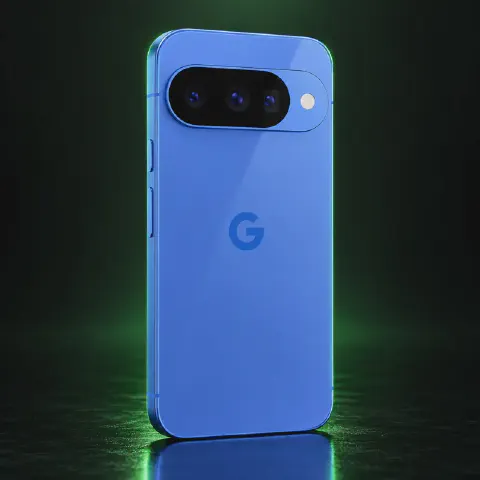
6.3" OLED · updates to Aug 2032 · GrapheneOS or LineageOS · US model eSIM only
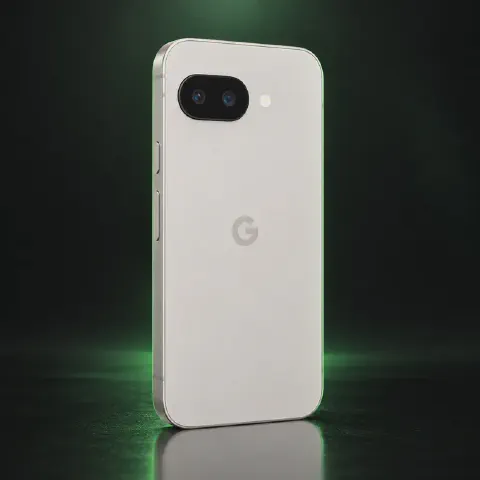
6.3" OLED · updates to April 2032 · GrapheneOS, CalyxOS, iodéOS or LineageOS
Buy buttons may be affiliate links: same price for you, a small commission for us. Side-by-side phone comparison · every private OS explained