GrapheneOS Alleges Google OEM Pressure
GrapheneOS says Google pressured phone makers through GMS licensing, but no documents, named OEMs, or public responses confirm the claim.

What GrapheneOS alleges
GrapheneOS alleges Google OEM pressure is being applied through Google Mobile Services, or GMS, licensing terms. The project says Google repeatedly contacted Android phone makers to ask whether they were working with GrapheneOS and discouraged them from supporting the alternative operating system.
The project also says Google has tried to persuade manufacturers not to offer bootloader unlocking. An unlockable bootloader is necessary when an owner wants to replace the manufacturer’s operating system with GrapheneOS or another Android fork.
Android Authority’s report on the allegations says GrapheneOS expects Google could eventually lock Pixel bootloaders and continue promoting the Play Integrity API. That statement describes what the project expects might happen, not a change that Google has announced or implemented.
GrapheneOS separated Google’s engineers from its business organization. It said engineers have helped the project and added support for Vanadium to Google software involving FIDO2 and passkeys. Its accusations are directed at Google’s business side.
What remains unconfirmed
The allegations have not been independently established. GrapheneOS has not published emails, meeting records, or the names of the OEMs it says were contacted. Google and Motorola had not provided public responses when the reports were published.
Frontier Now’s examination of the evidence therefore characterizes the account as an allegation rather than an established fact. It also distinguishes between two separate predictions: that Google may restrict Pixel bootloader unlocking and that it is already discouraging other manufacturers from supporting unlockable hardware.
Owners should not read either report as saying Pixel bootloaders have been locked. Pixels still provide an official unlocking procedure. The concern is about whether that option will remain available on future hardware and whether other manufacturers will offer comparable control.
GrapheneOS has a partnership with Motorola, and the Motorola Signature 27 has been named as a planned supported model. The reporting does not give a date for GrapheneOS support or for sales of phones carrying the operating system. At present, the cited articles do not establish that a supported Motorola build has shipped.
Get the next guide in your inbox
One email a week: new degoogling guides, OS and device-support news that matters, and one privacy fix you can do in five minutes. No tracking pixels.
Why GMS and Play Integrity matter
GMS is Google’s proprietary collection of apps and services. A phone maker can use the open Android source code without GMS, but preinstalling Google’s suite requires licensing and compatibility work.
Play Integrity is a different mechanism. An app asks Google for verdicts about the app, account, device, and operating system, then chooses how to respond. On Android 13 and later, the device-integrity verdict requires hardware-backed evidence that the bootloader is locked and that the device runs a certified manufacturer image.
A custom operating system can therefore fail the device or strong verdict even when its bootloader is relocked. Apps that demand those verdicts may refuse to run or limit features. The reports identify banking software, payment wallets, and DRM-protected streaming services as common categories affected by such checks. Apps relying only on basic integrity may continue working.
GrapheneOS argues that Play Integrity helps enforce GMS licensing and damages alternative operating systems. Google’s public description instead presents it as a way for app developers to evaluate app and device integrity. Google had not answered the project’s broader allegation when the sources were published.
What owners and buyers should do
- Treat bootloader locking as a prediction, not a current Pixel policy change. No source reports that Google has removed the existing unlocking path.
- Verify official device support before buying hardware for GrapheneOS. A partnership or announced model is not the same as a downloadable, supported build.
- Check essential banking, payment, workplace, and streaming apps before migrating. Their developers decide which Play Integrity verdicts to require.
- Keep a recovery plan and the manufacturer’s installation files available whenever changing operating systems.
- Watch for responses from Google, Motorola, or named OEMs. Documents or on-record statements would materially change how strongly the allegations can be assessed.
For current owners, the immediate situation is unchanged by the reports: supported Pixels remain the available GrapheneOS hardware, and the reported possibility of future restrictions remains unconfirmed.
Phones in this story
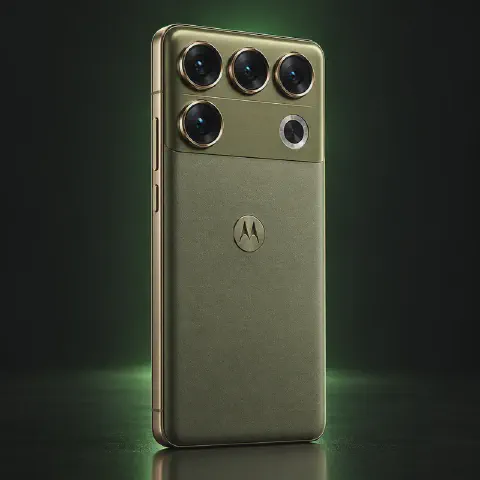
First non-Pixel phone GrapheneOS will support · Snapdragon 8 Elite Extreme Gen 6 · 7 years of updates · US/Canada from Nov 2026
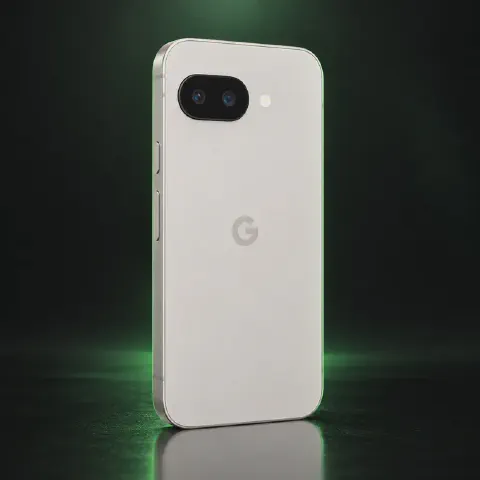
6.3" OLED · updates to April 2032 · GrapheneOS, CalyxOS, iodéOS or LineageOS
Buy buttons may be affiliate links: same price for you, a small commission for us. Side-by-side phone comparison · every private OS explained