GrapheneOS Beta Restores IMS Tunnels
GrapheneOS build 2026111300 restores IMS tunnels for legacy carrier ciphers, updates two kernels, and remains in beta and alpha channels.

GrapheneOS beta build 2026111300 restores IMS tunnels for carriers using legacy ciphers. The change reverses an unintended kernel configuration regression, while the same release also updates two kernel branches and addresses WebView, keyboard, and Pixel 10 problems.
The build was announced on November 14. At the time of publication, the GrapheneOS release tables and changelog list 2026111300 in the beta and alpha channels across the supported Pixel range. Stable devices remain on earlier builds: most are listed on 2026110700, while the Pixel 10 family is listed on 2026110800.
That channel distinction matters. This is a test release, not a stable update that every GrapheneOS owner should manually seek out.
What the IMS fix changes
The changelog says the Linux 6.18 kernel again permits explicit use of SHA-1 as a cryptographic algorithm. GrapheneOS says that restores support for IMS tunnels when a carrier uses legacy ciphers.
The project attributes the regression to its port from Linux 6.6 to 6.18. During that work, the relevant configuration was split between the implementation and cryptographic-algorithm use, unintentionally disabling the required support.
This is a narrowly described compatibility repair. The source does not say every carrier, Pixel, or cellular problem was affected. It specifically identifies IMS tunnels involving carriers that still use legacy ciphers. Owners should therefore avoid treating the change as a general radio or reception fix.
The release also moves the 6.18 GKI LTS branch to 6.18.39 and the 6.1 branch to 6.1.182. It backports a repair for missing udmabuf cache synchronization introduced by an upstream backport.
Other fixes in build 2026111300
The same changelog lists several changes outside carrier compatibility:
- Application-information updates preserve external-service metadata, resolving an upstream bug that caused WebView crashes.
- Keyboard workarounds were improved for a buggy Compose
TextField. - Pixel 10, Pixel 10 Pro, Pixel 10 Pro XL, and Pixel 10 Pro Fold receive four kernel fixes.
- Those Pixel 10 changes address unnecessary wakelock polling during charge-pump selection, GNSS initialization failure handling, a memory leak during early pKVM SMMU initialization failure, and broken CoreSight tracing for DSP, TPU, and GDMC components.
The project’s signed GitHub tag for build 2026111300 was created on November 14 and identifies the exact platform-manifest revision as e7f42d1. That provides a verifiable tag alongside the human-readable release notes.
Get the next guide in your inbox
One email a week: new degoogling guides, OS and device-support news that matters, and one privacy fix you can do in five minutes. No tracking pixels.
The Android 17 QPR2 context
A response in the official 2026111300 announcement discussion also explains why the listed patch level had not yet advanced to the full November Pixel level.
GrapheneOS says Android 17 QPR2 was not pushed to AOSP as the project had expected. Its prepared QPR2 port therefore could not be used directly. The project says it must instead backport the firmware, drivers, and hardware abstraction layers.
GrapheneOS further says that, since Android 17 QPR1, it has preferred backporting the complete set of firmware, drivers, and hardware abstraction layers instead of selecting only individual pieces. According to the project, that takes longer but completes the backport in one update without requiring it to determine which individual components are important.
That explanation is background for the release process. It does not mean 2026111300 itself contains the complete QPR2 backport.
What owners should do
- Check which channel and build your phone currently uses before drawing conclusions from these notes.
- If you use the stable channel, remain on the stable release rather than manually moving to beta solely for this fix.
- If you already test beta or alpha, install 2026111300 through the normal GrapheneOS update process and recheck any specific IMS-tunnel failure you previously experienced.
- Pixel 10 testers should also watch the four model-specific kernel areas identified in the changelog and provide precise device and failure details if a problem persists.
- Recheck the release table for stable promotion. The sources do not provide a date for that promotion.
For most owners, the important point is simple: GrapheneOS has identified and repaired the legacy-cipher IMS regression, but build 2026111300 was still a beta and alpha release when announced.
Phones in this story

6.3" OLED · updates to Aug 2032 · GrapheneOS or LineageOS · US model eSIM only
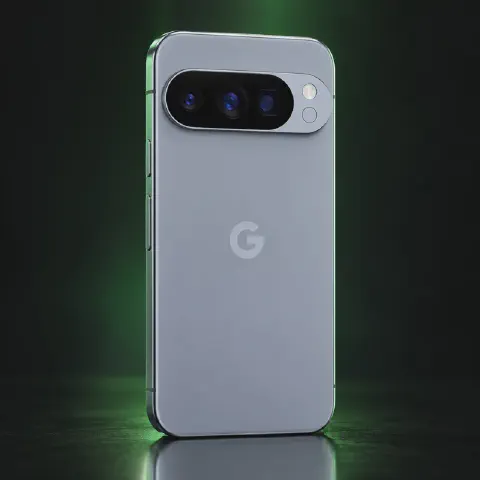
6.3" LTPO · best camera here · updates to Aug 2032 · GrapheneOS or LineageOS
Buy buttons may be affiliate links: same price for you, a small commission for us. Side-by-side phone comparison · every private OS explained