GrapheneOS Moves Kernels to QPR2 Base
GrapheneOS release 2026111800 adopts Android 17 QPR2 device code and kernels, while Stable users remain on the prior build during testing.
What changed
GrapheneOS release 2026111800 moves its device-specific code and kernels to an Android 17 QPR2 base. The GrapheneOS release notes say the update imports Pixel firmware, drivers, hardware abstraction layers and other device-related code from QPR2. It also provides the full 2026-11-05 Pixel security patch level.
The kernel change is more than a version-label adjustment. GrapheneOS switched to Android 17 QPR2 kernels as the starting point for its own kernels. For tenth-generation Pixels, that means the project’s Linux 6.18 work is now ported from Google’s 6.12 base instead of its earlier 6.6 base. The same release updates the project’s 6.18 branch to 6.18.63.
The project published a signed 2026111800 tag covering every listed target from the Pixel 6 generation through the Pixel 10 family, including the Pixel Tablet and Pixel Fold. The signed GitHub release tag identifies Daniel Micay as the signer and marks the signature as verified.
Security and reliability work
The changelog includes several kernel fixes alongside the QPR2 move. GrapheneOS backported an upstream writeback synchronization fix and a fix for a use-after-free race involving USB disconnection and driver probing. The 6.18 kernel also moves to Android’s Rust 1.91.1.p4 toolchain and restores ARM BTI protection that had been disabled with newer Clang versions.
Pixel 10, Pixel 10 Pro, Pixel 10 Pro XL and Pixel 10 Pro Fold receive an additional USB audio change. GrapheneOS says the patch applies implicit-feedback quirks before audio streams are parsed, addressing an upstream audio-offload problem. The 6.1 kernel used on older supported hardware receives an upstream TCP-listener race fix.
These entries describe changes included by the project; they do not establish that every user has received the build. GrapheneOS explains that releases normally move through Alpha, Beta and Stable channels. At the time covered by the release page, 2026111800 was listed in Alpha, while 2026111300 remained in Beta and Stable.
Get the next guide in your inbox
One email a week: new degoogling guides, OS and device-support news that matters, and one privacy fix you can do in five minutes. No tracking pixels.
What owners should expect
The project’s release announcement confirms that the source tags were published and directs users to the changelog. Replies report installations on devices including a Pixel 6a, Pixel 7, Pixel Tablet, Pixel 9 Pro XL, Pixel 10a and Pixel 10 Pro. Those individual reports are useful testing observations, not a guarantee for every device, carrier or app configuration.
For ordinary Stable-channel owners, this is therefore a release to watch rather than one to install manually. GrapheneOS says its automatic updater distributes releases by channel, and it warns that downgrading generally is not possible unless the project creates a specially signed downgrade package. Full update packages on the release page are intended for uncommon update situations, not initial installation.
The practical significance is that GrapheneOS has incorporated Google’s QPR2 device layer instead of staying on the older kernel and vendor-code base. Owners still receive GrapheneOS’s downstream hardening and kernel work, while the underlying Pixel components advance to the QPR2 generation.
What to do
- Open Settings and confirm whether your phone uses the Stable, Beta or Alpha update channel.
- If reliability matters more than early testing, remain on Stable and let the automatic updater offer the release after promotion.
- Before accepting any major system update, charge the phone and keep a current backup of files that are not synchronized elsewhere.
- After installation, verify the build number and test calls, mobile data, Wi-Fi, Bluetooth and any USB audio equipment you depend on.
- If you are considering GrapheneOS for the first time, check the supported device and installation requirements in the browser-based installation walkthrough before unlocking a phone.
Phones in this story

6.3" OLED · updates to Aug 2032 · GrapheneOS or LineageOS · US model eSIM only
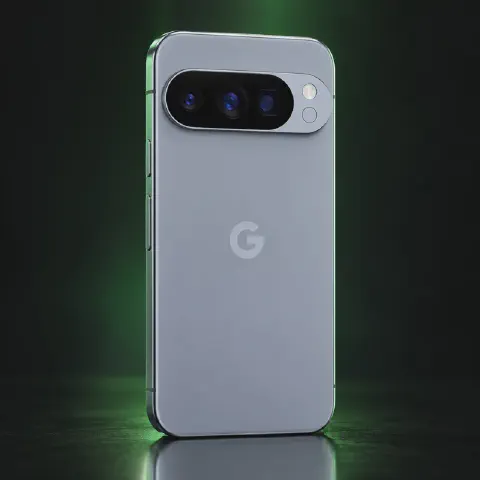
6.3" LTPO · best camera here · updates to Aug 2032 · GrapheneOS or LineageOS
Buy buttons may be affiliate links: same price for you, a small commission for us. Side-by-side phone comparison · every private OS explained