GrapheneOS RCS Prototype Encrypts Chats
A GrapheneOS RCS prototype supports encrypted chats without Google Messages, but its first version still requires sandboxed Google Play.
What GrapheneOS demonstrated
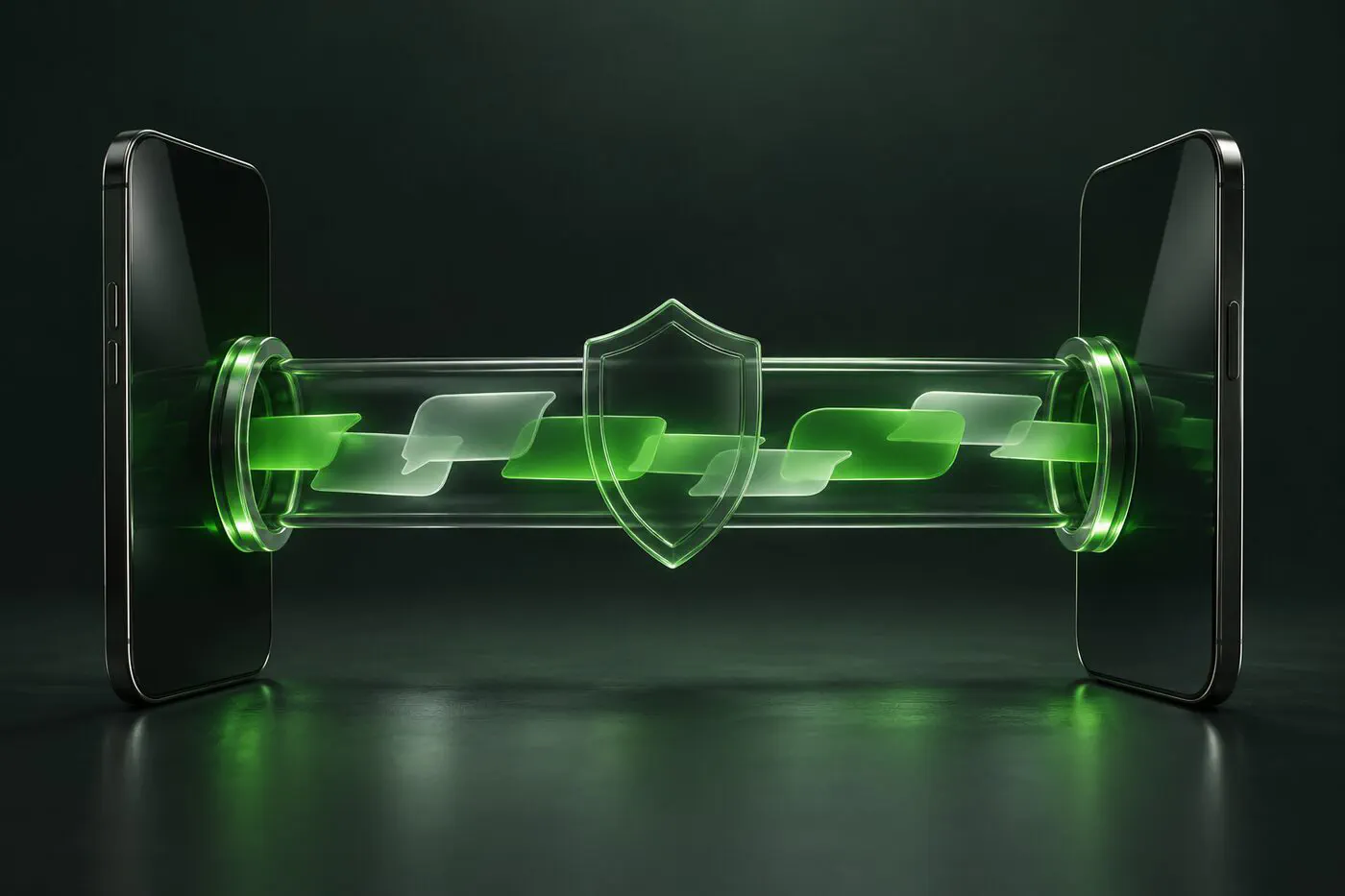
GrapheneOS has built a proof-of-concept RCS client that handles registration and message delivery without Google Messages. The prototype encrypts chats and is intended to inform a later implementation in the operating system’s built-in Messaging app. It is not a finished release, and GrapheneOS has not announced when owners will receive it.
The demonstration used a Pixel 7 Pro and Pixel 9, both running GrapheneOS. According to Notebookcheck’s account of the demonstration, the phones exchanged text, an image and reactions. The prototype also displayed typing indicators plus delivered and read receipts.
Those capabilities put familiar modern messaging functions into a client controlled by GrapheneOS. The project says it will apply what it learned to its regular Messaging app rather than distribute this proof of concept as the final implementation.
Encryption and compatibility
The prototype uses Messaging Layer Security, or MLS, for end-to-end encryption. Privacy Guides’ explanation of the prototype says its encrypted messaging is compatible with Google Messages and iOS. It supports typing indicators, reactions, delivery and read receipts, and sharing photos and files.
RCS is a carrier-messaging protocol designed to provide features that conventional SMS lacks. The sources distinguish encrypted RCS from SMS and MMS: the future GrapheneOS client will need to fall back to SMS or MMS when the recipient cannot use RCS, and those fallback messages will not have end-to-end encryption.
The prototype currently handles only RCS. Before incorporating the work into Messaging, GrapheneOS must make RCS coexist with SMS and MMS so that ordinary conversations can continue when an RCS connection is unavailable. The project also plans to explain inside the app when RCS encryption applies.
GrapheneOS still recommends using a dedicated secure messenger for sensitive conversations. Encrypted RCS can improve carrier-based messaging, but the project is not presenting it as a replacement for purpose-built private messengers.
Google Messages goes, but Play remains
The important limitation is that removing Google Messages does not initially remove every Google dependency. Most carriers rely on Google’s RCS infrastructure, and many require a token from Google Play services to verify a telephone number. The first GrapheneOS implementation will consequently require sandboxed Google Play services.
Get the next guide in your inbox
One email a week: new degoogling guides, OS and device-support news that matters, and one privacy fix you can do in five minutes. No tracking pixels.
Android Authority’s technical summary confirms that the experimental client does not require Google Messages but still depends on sandboxed Google Play. It says GrapheneOS eventually wants a standalone connection for carriers that provide RCS independently of Google.
Notebookcheck reports that the client must check in regularly after activation. Removing Play services after the initial setup would therefore stop RCS from working; this is not a one-time activation workaround. GrapheneOS expects its Messaging app to work with the same carriers that currently support Google Messages on GrapheneOS.
Few carriers offer an independent RCS service. GrapheneOS describes recreating Google’s proprietary services for all the others as impractical. The planned Google-independent path therefore applies only where a carrier exposes suitable standalone RCS support.
The implementation also requires operating-system integration. The sources say it will be effectively exclusive to GrapheneOS and will not function as an ordinary app installed on another Android operating system.
What owners should do
There is nothing to install from this announcement. The work shown is a prototype, not a published GrapheneOS feature, and no release date has been provided. Current owners should treat it as evidence of development rather than as an available replacement for Google Messages.
- Keep your present SMS, RCS or secure-messenger setup until GrapheneOS publishes the integrated Messaging update.
- If you currently use RCS through Google Messages, expect the initial alternative to retain sandboxed Google Play because carrier verification may depend on it.
- Do not plan to remove Play services immediately after RCS activation; the documented prototype needs recurring check-ins.
- Continue using a dedicated secure messenger for sensitive conversations, following GrapheneOS’s own recommendation.
- When the feature is released, check whether your carrier supports standalone RCS before assuming it can operate without Play services.
The prototype reduces one visible dependency by replacing Google Messages. Whether it can also remove sandboxed Google Play will depend on the carrier and on the later implementation GrapheneOS ultimately ships.
Phones in this story
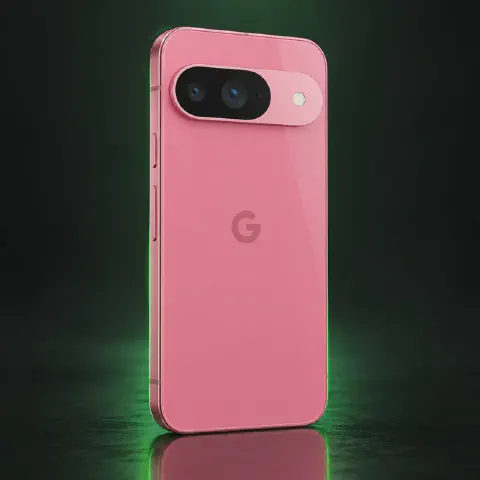
6.3" OLED · updates to 2031 · full OS menu
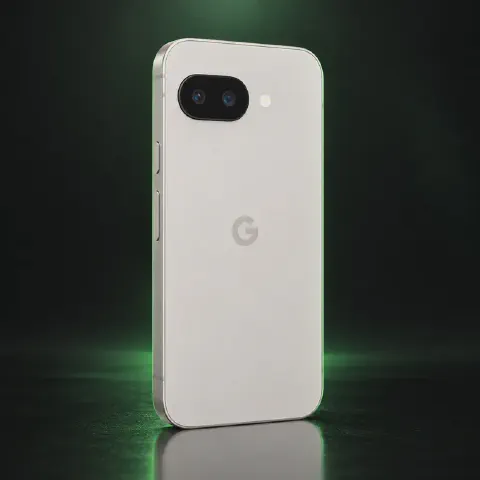
6.3" OLED · updates to April 2032 · GrapheneOS, CalyxOS, iodéOS or LineageOS
Buy buttons may be affiliate links: same price for you, a small commission for us. Side-by-side phone comparison · every private OS explained