GrapheneOS Removes 27 Root Certificates
GrapheneOS 2026111300 removes one eMudhra root and 26 obsolete CAs while fixing WebView crashes, carrier tunnels, and Pixel 10 kernels.
What changed
GrapheneOS published release 2026111300 on November 14 with certificate-store cleanup, Android compatibility fixes, newer kernels, and several Pixel 10-specific corrections. At the time of publication, the project’s device tables placed 2026111300 in the Alpha channel, while older releases remained in Beta and Stable. GrapheneOS normally moves a release through these channels after testing rather than sending an untested build directly to every phone.
The GrapheneOS 2026111300 release notes list builds for the Pixel 6 through Pixel 10 families, including the Pixel Tablet, Pixel Fold models, and Pixel 10a. The project’s release announcement and discussion confirms the November 14 publication.
The most visible security change is removal of the final eMudhra root certificate that did not have known compromised keys. GrapheneOS says Chrome, Firefox, and Vanadium will block newly issued certificates covered by the relevant Certificate Transparency rule from November 16. It also says Microsoft will remove the certificate for Edge and Windows on that date, while Apple plans removal on November 30.
The release separately removes 26 obsolete CA root certificates that the Pixel operating system had already removed but that remained in the Android Open Source Project. In total, GrapheneOS removes 27 root certificates in this release.
Why the eMudhra change matters
Root certificates are trust anchors used when a device determines whether a secure connection should be accepted. Removing a root can therefore expose a website or service that still presents a certificate chain leading to that authority. It does not mean ordinary GrapheneOS owners need to replace certificates on their phones.
The change follows an industry transition away from eMudhra’s public TLS hierarchy. InCommon’s November 12 service update says eMudhra decided to withdraw from the global SSL/TLS certificate business. InCommon moved certificate issuance to SSL.com and instructed participating organizations to replace affected certificates by November 16.
The timing differs among platform vendors. InCommon says Chrome and Firefox will reject G1 certificates issued after November 16 while continuing to accept older certificates. Microsoft will begin distrusting the G1 root, and Apple will remove it later in November. eMudhra’s incident statement and schedule likewise lists November 16 for the Chrome and Firefox cutoff and November 30 for Apple’s G1 removal.
Get the next guide in your inbox
One email a week: new degoogling guides, OS and device-support news that matters, and one privacy fix you can do in five minutes. No tracking pixels.
For a phone owner, the practical consequence is limited but important: a service that has not migrated its certificate chain may produce a security warning or fail to connect. That failure should be treated as a problem for the service operator to correct, not as a reason to bypass a certificate warning.
Other fixes in 2026111300
The update also addresses several problems unrelated to certificate trust:
- It preserves external-service metadata during application-information updates, resolving an upstream Android bug that could cause WebView crashes.
- It improves keyboard workarounds for apps using the buggy Compose TextField.
- It restores explicit SHA-1 use for IMS tunnels required by carriers with legacy ciphers. GrapheneOS says the relevant setting was unintentionally disabled during its kernel move from 6.6 to 6.18.
- It updates the 6.1 kernel branch to 6.1.182 and the 6.18 branch to 6.18.39.
- On the Pixel 10, Pixel 10 Pro, Pixel 10 Pro XL, and Pixel 10 Pro Fold, it corrects unnecessary wakelock polling during charge-pump selection for certain USB Power Delivery chargers.
- Those Pixel 10 models also receive fixes for GNSS initialization failure handling, early-initialization memory leaks in the pKVM SMMU driver, and CoreSight tracing broken by the 6.18 port.
Vanadium is updated to 157.0.8103.78.0, and the sandboxed Google Play compatibility configuration moves to version 179.
What owners should do
- Leave automatic system updates enabled. GrapheneOS distributes normal updates over the air and uses its Alpha, Beta, and Stable channels for staged testing.
- Do not manually install the Alpha build merely to obtain these changes unless you intentionally test prerelease system updates and can report problems.
- After the release reaches your configured channel, restart when prompted so the updated operating system, kernel, and certificate store take effect.
- If a website or managed service develops a certificate error, do not dismiss the warning. Ask its operator whether the service still uses an eMudhra or emSign certificate chain and whether migration is complete.
- Organizations using InCommon certificates should follow their administrator instructions and replace affected certificates within the published transition schedule.
Phones in this story
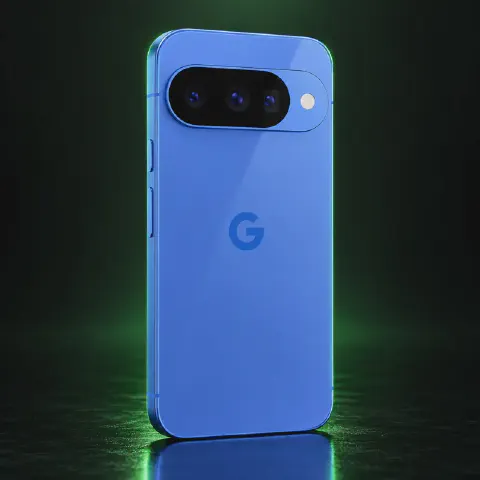
6.3" OLED · updates to Aug 2032 · GrapheneOS or LineageOS · US model eSIM only
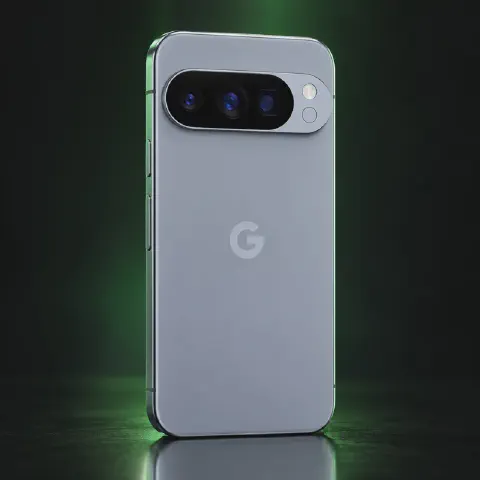
6.3" LTPO · best camera here · updates to Aug 2032 · GrapheneOS or LineageOS
Buy buttons may be affiliate links: same price for you, a small commission for us. Side-by-side phone comparison · every private OS explained