Motorola Signature 27 is the first non-Pixel GrapheneOS phone: what's confirmed
GrapheneOS confirmed the Motorola Signature 27 as its first supported phone outside Google's Pixels. What's official, what isn't yet, and whether to wait.
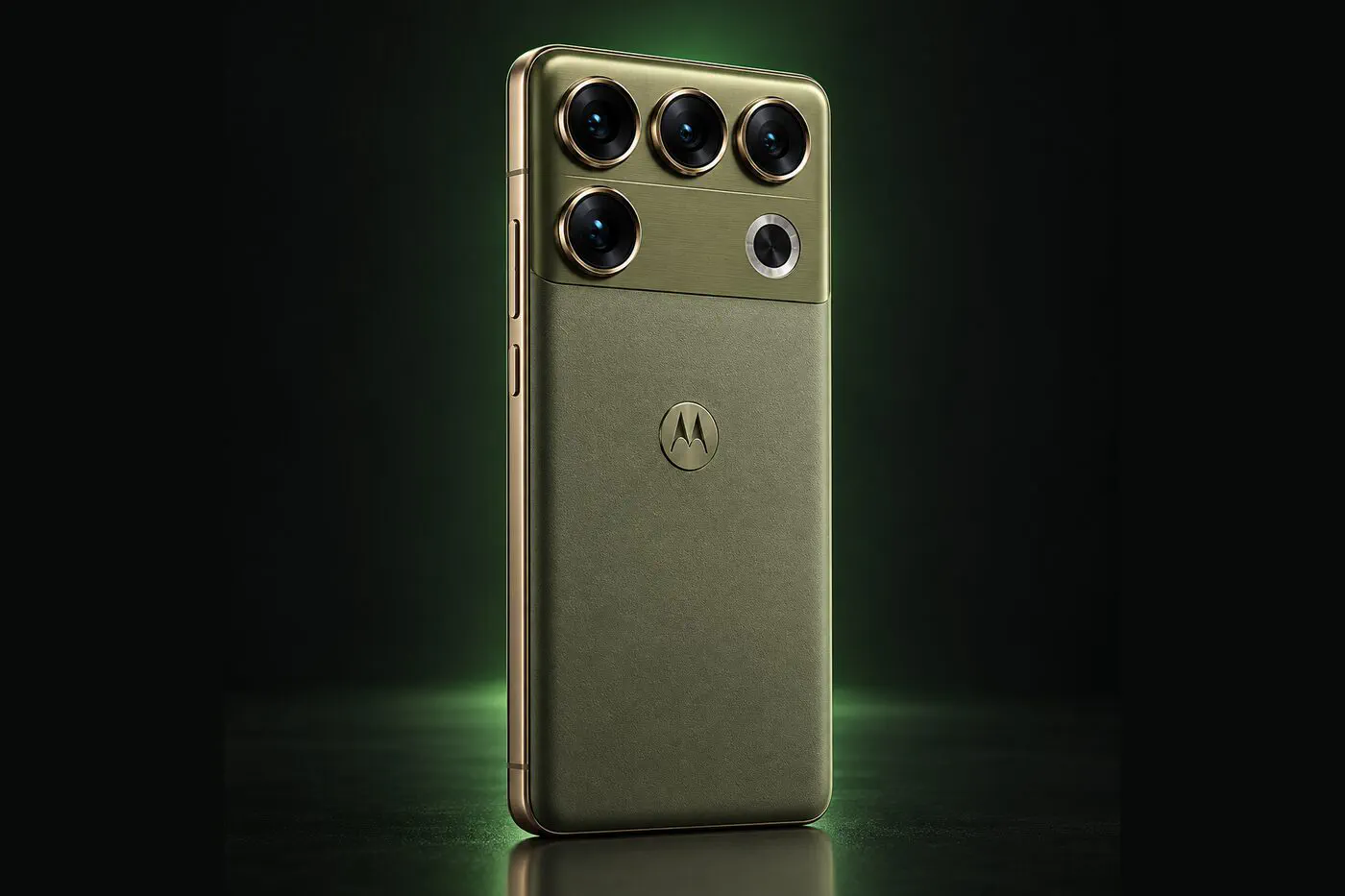
For the first time, a non-Pixel phone is officially headed for GrapheneOS, and it’s GrapheneOS’s own pick. The project confirmed in September that the Motorola Signature 27 will be its first supported Motorola phone, the result of a partnership the two announced in March. The phone isn’t on sale yet, and GrapheneOS hasn’t published builds for it. Here is what is confirmed, what isn’t, and what it means if you’re choosing a phone now.
How we got here
At MWC in Barcelona on March 2, 2026, Motorola announced a partnership with the GrapheneOS Foundation to “collaborate on future devices engineered with GrapheneOS compatibility” (Motorola). GrapheneOS called it “a long-term partnership” for future devices “with official GrapheneOS support,” and later said it is non-exclusive and that no money changes hands.
Until now, GrapheneOS has supported only Pixels, because they were the only phones meeting its requirements: an unlockable bootloader that can be locked again with full security, a proper secure element, hardware memory tagging (MTE) and long, reliable updates. In August GrapheneOS said Motorola’s 2026 phones, the Signature (2026), Razr Fold and Razr Ultra, were “very close” but lacked MTE, adequate secure element integration and “other features being added for 2027.”
What GrapheneOS confirmed
- The phone: on September 22, asked whether the Signature 27 is the phone that will support GrapheneOS, the project answered: “Yes, that will be the initial supported phone. Wait for official news about it.” (GrapheneOS on X)
- Security hardware: GrapheneOS says the first device will have “a high quality dedicated secure element, hardware memory tagging, hardware USB protection and everything else we need,” and much faster CPU and GPU performance than a Pixel (GrapheneOS, Oct 5).
- Long support: the project says it intends to provide seven years of updates for the device, with official firmware and driver code from Motorola. That’s a different setup from Pixels, where GrapheneOS depends on what Google chooses to publish.
- Preinstalled phones: “Devices sold with GrapheneOS installed are planned but the details of that still need to be worked out” (GrapheneOS post on X, Sep 23). Earlier, it said that’s probably not going to happen for the initial launch.
- More Motorolas later: GrapheneOS also plans to support successors to the Razr Fold and Razr Ultra after the first regular phone, and cheaper models once their chips gain the security features it needs.
What Motorola has said about the phone
Motorola gave a “first look” at the Signature 27 on September 22 at Qualcomm’s Snapdragon Summit (Motorola press release). The “27” follows a new naming scheme that uses the last two digits of the coming year. Confirmed details:
| Motorola Signature 27 (official so far) | |
|---|---|
| Chip | Snapdragon 8 Elite Extreme Gen 6 |
| Main camera | 50 MP Sony LYTIA 910, 3.5° optical stabilization |
| Telephoto | 200 MP periscope |
| Audio | Motorola’s first phone with Audio by B&O |
| Build | Aluminum frame, ceramic and brushed-aluminum camera housing |
| Colors | PANTONE Coal Smoke (woven), PANTONE Capulet Olive (brushed textile finish) |
| Updates | 7 OS updates, up to 7 years of security updates from global launch |
| Availability | Worldwide in 2026; US and Canada pages say “coming this November” |
Motorola calls this only a preview. Price, screen, battery, charging, water resistance, storage options and weight haven’t been announced. Spec sheets you may see on phone database sites are guesses or leaks, and they disagree with each other. We’ll fill them in from Motorola’s own spec page at launch.
Get the next guide in your inbox
One email a week: new degoogling guides, OS and device-support news that matters, and one privacy fix you can do in five minutes. No tracking pixels.
What is not confirmed yet
- A GrapheneOS release date. GrapheneOS hasn’t said support will be ready on launch day. Its September posts called the device a flagship “launching in 2027,” while later posts say “very soon.” Plan for the phone to arrive before the OS does.
- How unlocking works. Motorola runs an official bootloader unlock program for most of its phones, but carrier-exclusive models (Verizon, AT&T, Tracfone) are excluded. Motorola hasn’t published anything specific for the Signature 27, and GrapheneOS has warned that claims circulating about how unlocking will work for its install are wrong.
- Price and markets. Motorola hasn’t named a price. The previous Signature sold for about ₹74,999 in India; that’s context, not a forecast.
- Other degoogled systems. LineageOS, /e/OS, CalyxOS and iodéOS haven’t announced plans for this phone.
Should you wait for it?
- If you need a private phone now: buy a Pixel. The Pixel 10 and Pixel 9a run GrapheneOS today with updates into 2032, and existing Pixels stay supported. GrapheneOS said on October 11 that “nothing is changing about GrapheneOS support for Pixels.”
- If you want a flagship and can wait: the Signature 27 looks like the strongest GrapheneOS hardware yet on paper, with official support from the maker. Don’t preorder on the promise alone. Wait until GrapheneOS lists it as supported and says which models can be unlocked.
- Whatever you buy: pick an unlocked retail model, not a carrier version.
We’ve added the phone to our catalog with what’s official so far: see the Motorola Signature 27 specs and GrapheneOS status page. For the Pixel side of this story, read why GrapheneOS says to skip the Pixel 11. We’ll update both when Motorola publishes the full specs and GrapheneOS ships its first release for the phone.